
The Creator Revenue Flywheel: From First Sale to Updates
Turn one-time downloads into repeatable revenue with versioning, post-purchase trust, and retention metrics that guide smart, non-salesy re-engagement.
1) The first sale is the start of the flywheel (not the finish)
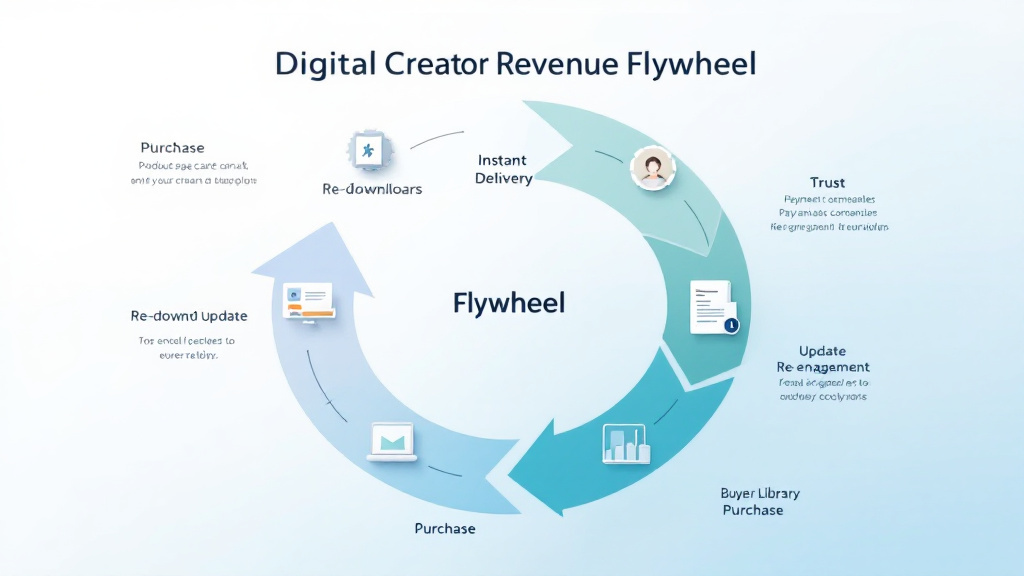
Most creators treat a download like a one-and-done transaction. But in creator-commerce, the first purchase is really your entry point into a relationship—where trust, delivery reliability, and ownership of the customer experience determine whether you earn a second sale.
The flywheel starts with removing friction: a conversion-optimized product page, fast payments, and immediate fulfillment. When a buyer receives a receipt and a secure link instantly (and can later re-download from a library), you reduce “Where’s my file?” anxiety and boost perceived professionalism. That’s customer-retention before you send a single follow-up email.
This is why purpose-built digital-products checkout matters more than cobbling together DMs, manual invoices, and ad-hoc file links. With InstantDownload Checkout-style flows—upload once, publish, get paid, deliver securely—you create a consistent post-purchase experience that supports lifecycle-marketing. Reliable fulfillment becomes your first piece of marketing: it makes the buyer comfortable coming back, sharing your link, and trusting future offers.
2) What to track after the sale: signals that drive retention
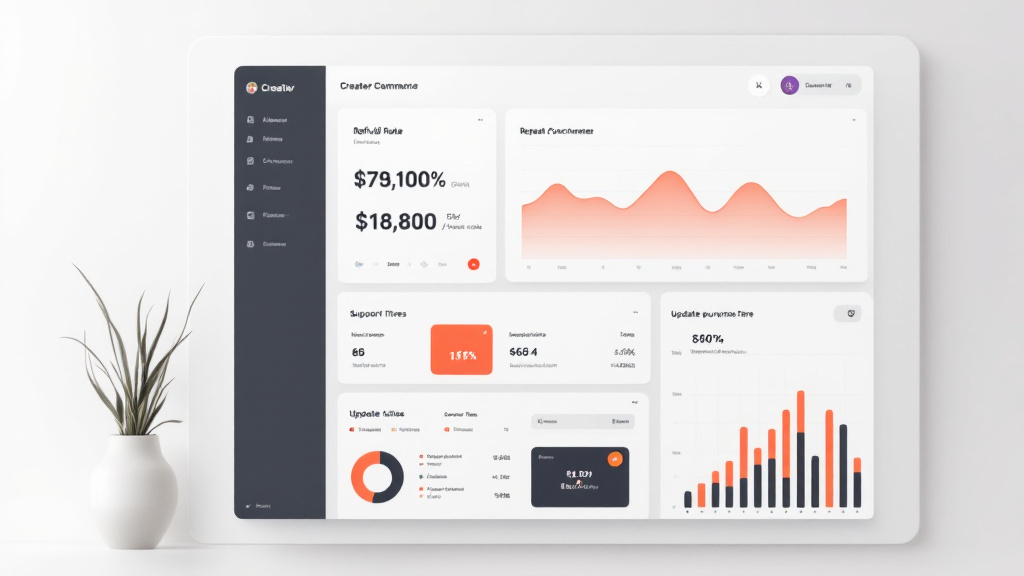
If your goal is a repeatable revenue loop, you need post-purchase signals that reflect real buyer experience—not vanity metrics. Start with three operational indicators: refund rate, support tickets per 100 orders, and time-to-resolution. These reveal whether your offer is mispositioned, your delivery is fragile, or your product needs clearer instructions.
Next, track behaviors that indicate ongoing value: re-download frequency, library revisits, and update-triggered downloads. Re-downloads aren’t “free riders”; they’re proof the product is being used. If you ship a new version and see a spike in revisits, your versioning strategy is working—and your delivery system is earning trust.
Finally, connect metrics to lifecycle actions. High refunds? Tighten your product page expectations and previews. Lots of tickets about access? Improve secure delivery flows and receipt clarity. Low re-downloads? Your content may not have a “reference” role, or buyers don’t know updates exist. In lifecycle-marketing, measurement isn’t about spying—it’s about removing friction so retention becomes the default.
3) Updates that increase LTV without feeling salesy

The most sustainable revenue flywheel comes from updates that feel like service, not pressure. Treat your download as a living asset: fix small errors, add a new template, refresh examples, or include an “advanced” bonus page. When you ship improvements through thoughtful versioning, buyers experience compounding value—and you earn the right to re-engage.
The key is tone and timing. Send an update email that leads with outcomes (“New practice set + clearer solution steps”) and includes a simple re-download path via a buyer library. Avoid “limited-time” language unless it’s genuinely time-bound. This style of customer-retention feels like good stewardship, not a funnel.
Then, convert trust into optional next steps: a related add-on, a higher-tier bundle, or a licensing option for teams—positioned as “if this is useful, here’s the next level.” Done well, your creator-commerce engine becomes a loop: reliable delivery builds confidence, updates increase lifetime value, and re-engagement stays aligned with the buyer’s goals. That’s the difference between chasing one-off sales and building a durable digital-products business.